

Interior design is the art of creating a space that is not only beautiful but also functional. In recent years, there has been an increasing emphasis on using natural elements such as plants to add life and coziness to interiors. However, plants come with certain challenges such as their care, lighting, growing conditions, etc. In such cases, using artificial plants can be a great alternative. Let’s look at why artificial plants are becoming increasingly popular in interior design.
1. Carefree care:
One of the main advantages of artificial plants is that they do not require any maintenance. There is no need to water them, prune them, feed them or monitor lighting conditions. This makes artificial plants an ideal solution for those who want to add greenery to their interiors but don’t have the time or ability to care for live plants.
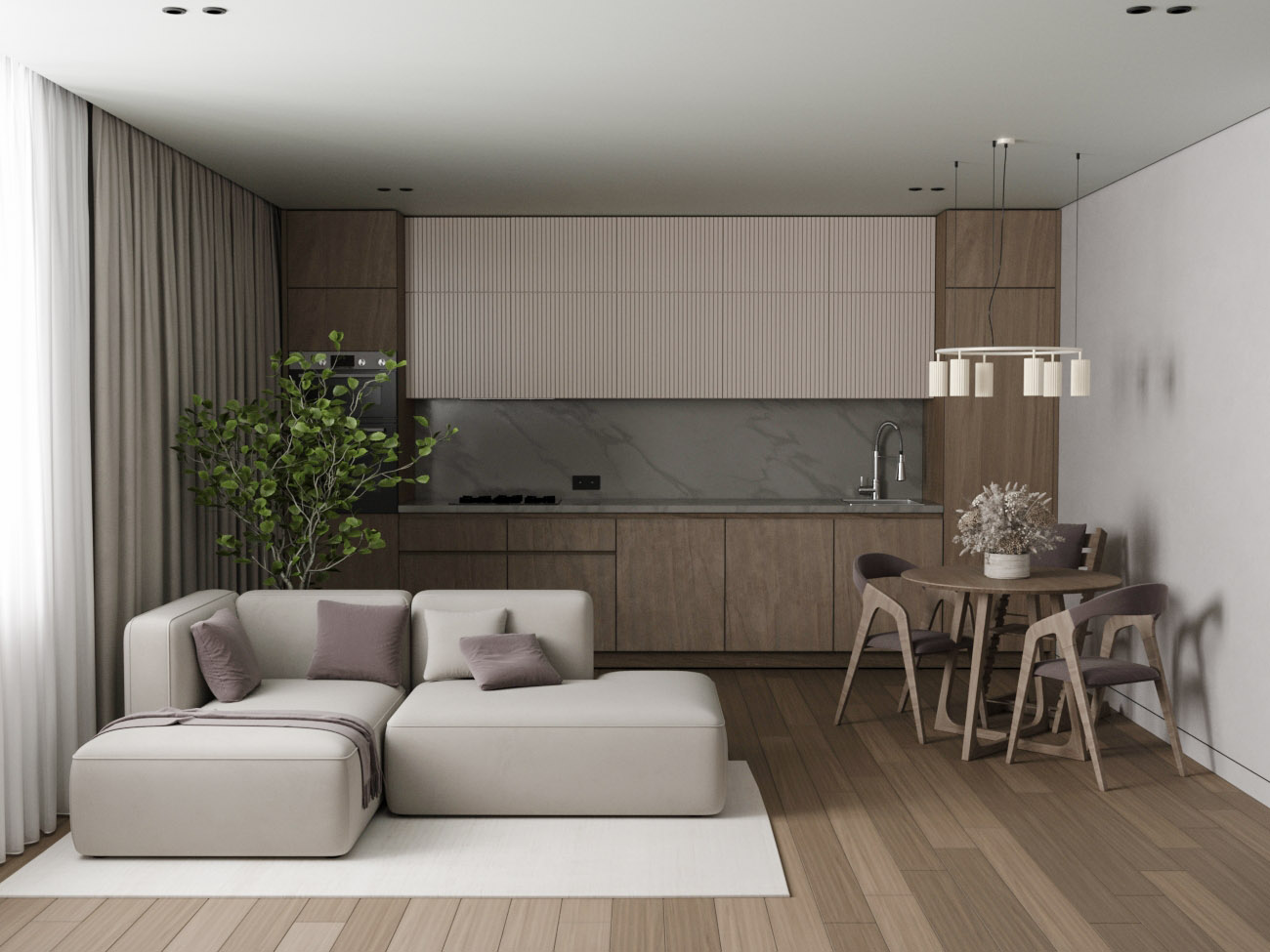
2. Durability and sustainability:
Artificial plants retain their beauty and freshness for a long time without the need for replacement or replanting. They are resistant to environmental factors such as humidity, temperature and light, and are not susceptible to disease or pests.
3. Variability and accessibility:
Artificial plants offer a huge selection of different types and sizes, allowing you to choose the ideal solutions for any interior. They are available in a variety of styles and colors, allowing you to create interesting compositions and arrangements.
4. Maintaining appearance:
Modern technologies make it possible to create artificial plants that are almost indistinguishable from living ones. Their textures, shades and shapes reproduce the natural features of plants, creating a lifelike appearance.
5. Safety and hypoallergenic:
Artificial plants do not cause allergies and do not pose a danger to pets as they do not contain allergens or toxic substances.
Using artificial plants in interior design opens up a wide range of possibilities for creativity and experimentation, allowing you to create attractive and cozy spaces without the hassle of caring for plants. This is a convenient and aesthetic solution that is becoming increasingly popular among designers and homeowners.