

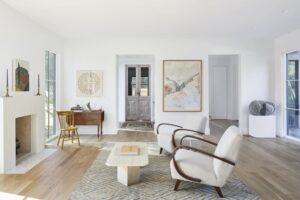
 Modern eclecticism in the interior is a harmonious fusion of various styles, directions and cultural elements, creating unique and personalized spaces. One of the most interesting combinations is the combination of minimalism and eclecticism, which at first glance may seem opposite, but with the right approach complement each other, creating stylish and functional interiors.
Minimalism: purity and simplicity
Minimalism is characterized by a desire for simplicity, functionality and rejection of excesses. The main features of minimalism include:
- Clean lines and forms: Rectilinear and geometrically correct forms of furniture and accessories.
- Monochrome palette: Predominance of neutral colors, such as white, gray and black.
- Minimum decor: Emphasis on functional objects and a minimum of decorative elements.
- Open space: Using open layouts to create a sense of space.
Eclectics: freedom and creativity
Eclectic, on the contrary, is a style in which you can combine elements of different eras, styles and cultures. The main features of eclecticism:
- Variety of textures and materials: Use of different materials such as wood, metal, glass and fabric.
- Bright accents and patterns: Bold color solutions and various ornaments.
- Mix of styles: Combination of elements from different styles, such as vintage, boho, classic and others.
- Individuality and uniqueness: Each space reflects the personal preferences and character of the owner.
Synergy of minimalism and eclecticism
The combination of minimalism and eclecticism allows you to create a stylish and harmonious interior, which combines order and comfort, functionality and individuality. Here are some key aspects that will help you achieve a balance between these styles:
- Focus on key elements: Use a minimalist base for the background — walls, floors and large furniture elements should be made in neutral colors and simple shapes. This will create a clean canvas on which eclectic accents can be highlighted.
- Balanced accents: Introduce elements of eclecticism through accessories, textiles and decorative items. These can be bright pillows, carpets with patterns, unique lamps or objects of art. The main thing is not to overload the space in order to preserve the minimalist basis.
- Single color palette: Use a limited color palette for harmony. Choose several key colors and their shades, which will be combined and echo each other, creating the integrity of the interior.
- A variety of textures: In a minimalist interior, you can add interest through textures. For example, the combination of smooth and rough surfaces, the use of natural materials, such as wood and stone, in combination with modern materials, such as glass and metal.
- Playing with scales and forms: In a minimalist space, large eclectic elements can become the center of attention. These can be large paintings, sculptures or unique furniture items that attract the eye and create interesting accents.
Examples of using modern eclecticism
- Living room: Light walls and minimalist furniture can be supplemented with bright carpets and pillows, a vintage coffee table and modern sculpture.
- Bedroom: A simple bed with white bed linen can be decorated with eclectic pillows, a patterned blanket and an antique lamp on the bedside table.
- Kitchen: Minimalist kitchen cabinets and countertops can be combined with an eclectic dining area, where various chairs and a table with an unusual design will be used.
Modern eclecticism in the interior, combining elements of minimalism and eclecticism, allows you to create unique and functional spaces that reflect the individuality of the owners. The correct balance of these styles provides harmony and comfort, making each home unique and stylish.