

In the world of interior design today, we witness a remarkable variety of styles that reflect modern preferences and requirements. Among them, minimalist and contemporary styles stand out as two concepts that not only define the appearance of a space but also embody modern notions of functionality, aesthetics, and convenience. Let’s take a closer look at these styles and delve into the world of modern interior design.
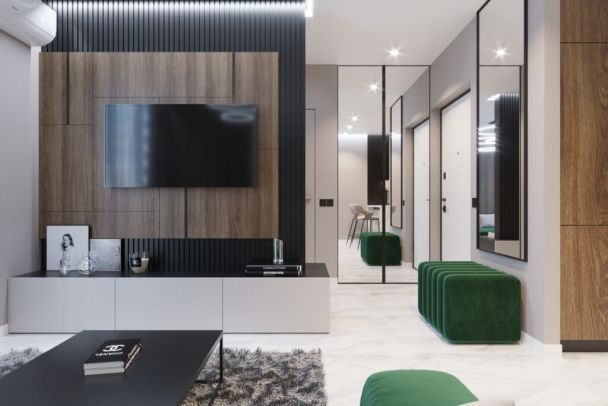 Minimalism: Simplicity and Elegance
Minimalism is not just a style; it’s a philosophy that advocates for reducing excess and simplifying form. In interior design, minimalism is manifested through the use of clean lines, minimal decor, and a limited color palette. The main idea is to create a space free from clutter, where each detail has its function and harmoniously blends into the overall look.
One of the key advantages of minimalism is its ability to create a sense of space and light even in small rooms. The absence of unnecessary elements makes the interior more functional and easy to maintain. Thanks to clean lines and minimal furniture, every item in a minimalist interior becomes an accent, emphasizing its importance and beauty.
Contemporary Style: Blending Comfort and Innovation
Contemporary style is a synthesis of modern trends and technological advancements aimed at reflecting the dynamic lifestyle of modern individuals. It combines elements of minimalism, industrial design, art deco, and other trends, creating a unique and functional space.
In contemporary interior design, one can often find open floor plans, large windows, and the use of innovative materials and technologies. Furniture and accessories in this style typically feature clean lines, geometric shapes, and simple color schemes. Ergonomics plays a vital role, and every element of the interior strives to provide maximum comfort and convenience.
Modern Trends: Where Is Design Heading?
In the modern world of interior design, several interesting trends reflect current societal needs and preferences. One such trend is eco-friendliness, with more people opting for natural materials and environmentally friendly technologies.
Another important direction is personalization of the interior – creating a space that reflects the individuality of its inhabitants. This can be achieved through the use of personal items, photographs, unique accessories, or even a personalized approach to color schemes.
Let’s not forget about the influence of technology on modern design. Smart systems for lighting, heating, security, and entertainment are becoming an integral part of contemporary interiors, making life more comfortable and efficient.
Conclusion
Modern styles in apartment interiors reflect contemporary requirements for comfort, functionality, and aesthetics. Minimalism and contemporary styles represent two different approaches, each with its own features and advantages. However, regardless of the chosen style, it’s important to remember that the main goal is to create a space that meets the needs and tastes of its occupants while giving the interior individuality and uniqueness.